

Blog
1200mm Deep Server Cabinet for High-Density Servers: European Buying Guide

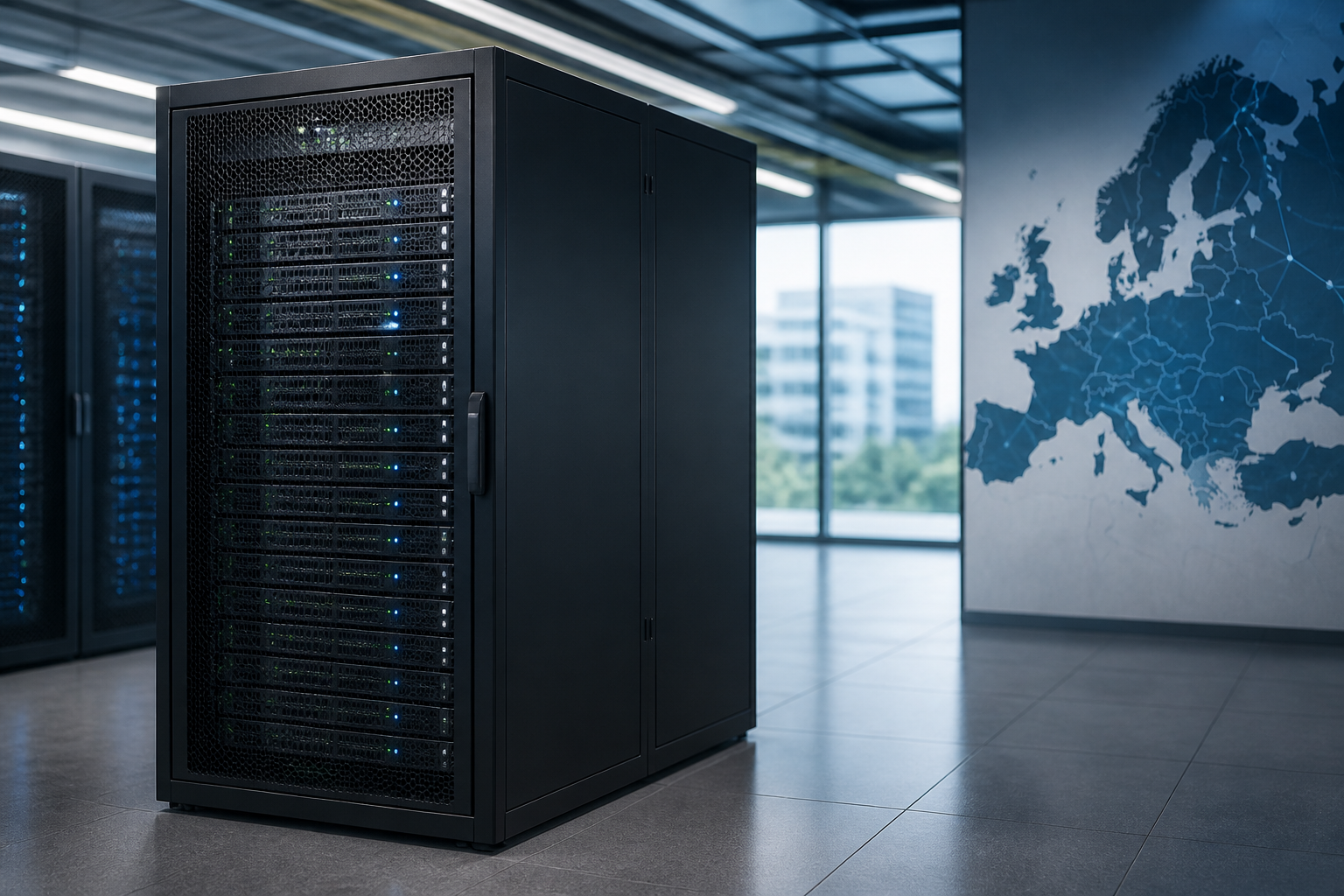
Direct answer: A 1200mm deep server cabinet for high density servers is the right choice when modern servers, cable management, power distribution and airflow require more usable depth than a standard 800mm or 1000mm rack. Before buying, confirm equipment dimensions, rack units, weight capacity, door clearance, power requirements, airflow strategy and European compliance needs.
High-density computing places greater demands on physical infrastructure. Dual-socket servers, GPU systems, storage platforms and network appliances can be deeper, heavier and more power-hungry than older equipment. A correctly specified cabinet provides the space, ventilation, security and service access needed to operate that equipment safely and efficiently.
Why choose a 1200mm deep server cabinet for high density servers?
Cabinet depth affects much more than whether a server will physically fit. It influences cable bend radius, rear-door clearance, airflow, power distribution and the technician’s ability to work safely at the back of the rack. A 1200mm cabinet gives additional working space behind deep equipment without requiring the cabinet to be excessively wide.
This extra depth is particularly useful for:
- High-performance computing and GPU servers with extended chassis dimensions.
- Storage arrays with rear controllers, expansion modules or dense cabling.
- Virtualisation hosts that use multiple power supplies and network connections.
- Top-of-rack switches with fibre and copper cable management requirements.
- Rack-mounted UPS systems, power distribution units and cable-management hardware.
- Installations using rear heat exchangers or other advanced cooling accessories.
Depth should not be selected from the server’s published chassis dimension alone. Allow room for the mounting rails, rear connectors, power cords, fibre bend radius and airflow. A server that is 900mm deep may technically fit inside a 1200mm cabinet, but the remaining space must be checked against the manufacturer’s installation instructions.
How to verify cabinet and server compatibility
Measure the complete installed depth
Start with the equipment manufacturer’s dimensional drawings. Check the chassis depth, rail position, rear cable projection and any required service clearance. Do not rely only on the nominal rack depth because external dimensions can exclude handles, bezels, cable arms or power connectors.
A practical compatibility review should include:
- Equipment chassis depth from the front mounting surface to the rearmost fixed point.
- Rail adjustment range and whether the rails fit square-profile 19-inch mounting posts.
- Rear clearance for power cables, network connectors and cable-management arms.
- Front and rear door clearance, including the effect of perforated doors or locking handles.
- Required service space behind the cabinet if components are replaced without removing the server.
- Maximum static and rolling load, especially for multi-server or storage-heavy deployments.
Also check whether the equipment is designed for a four-post rack. Some compact networking products use different mounting arrangements and may need shelves, adapters or dedicated brackets. Rack units alone do not guarantee compatibility.
Choose the correct rack height
Server cabinet height is normally specified in rack units, or U. One rack unit is a standard vertical measurement used for rack-mounted equipment. Common cabinets include 24U, 42U and 47U formats, although available sizes vary by manufacturer and installation environment.
Do not fill every available unit without planning. Leave space for blanking panels, cable management, airflow separation and future expansion. A cabinet that is completely packed can be difficult to service and may allow hot air to recirculate at the front of the equipment.
Airflow and thermal management for high-density racks
Airflow is one of the most important buying considerations for a high-density cabinet. Most data-centre servers draw cool air through the front and exhaust heated air through the rear. The cabinet should support a consistent front-to-back airflow path and prevent exhaust air from returning to equipment intakes.
Look for a cabinet with perforated front and rear doors, a roof designed for ventilation and an open or ventilated base where the floor system permits it. Door perforation should be considered alongside the cooling system’s pressure requirements. A cabinet with restricted doors can increase fan speeds and operating noise, while an unsuitable roof can interfere with overhead cable trays or containment.
Use blanking panels and organised cabling
Unused rack spaces should normally be closed with blanking panels. These panels help maintain the intended pressure difference between the cool-air side and the exhaust-air side. Cables should be routed so they do not block server fans, cover rear exhausts or obstruct removable components.
For high-density deployments, consider:
- Vertical and horizontal cable managers sized for the expected cable volume.
- Dedicated fibre-routing paths that protect minimum bend radius.
- Brush panels or sealed cable-entry points where appropriate.
- Rear cable arms that do not interfere with adjacent equipment.
- Temperature sensors at the cabinet front and rear when monitoring is required.
Consider advanced cooling requirements
Air cooling may be sufficient for many server rooms, but high-power GPU and computing platforms can require additional cooling capacity. If the installation uses a rear-door heat exchanger, in-row cooling or liquid-cooling distribution, confirm that the 1200mm cabinet is designed for the relevant accessory and load.
Cooling equipment can add weight and extend the rear profile. Confirm compatibility with the cabinet frame, floor loading, water connections, leak detection and maintenance access before placing an order. The cabinet should support the complete system, not just the server chassis.
Power distribution and electrical planning
A deep cabinet should be paired with an appropriate power strategy. High-density servers often use dual power supplies for redundancy, which increases the number of outlets and the need for orderly cable routing. Select power distribution units, or PDUs, based on voltage, current, connector type, monitoring requirements and the available electrical infrastructure.
European installations may use different supply arrangements depending on the country, facility and data-centre design. Confirm whether the rack will use single-phase or three-phase power, the relevant IEC connector configuration and the rating of each circuit. A cabinet supplier can provide mounting options, but the electrical design should be approved by a qualified professional.
Useful PDU features may include:
- Vertical zero-U mounting to preserve valuable rack space.
- Separate feeds for A and B power paths.
- Load measurement at outlet, bank or device level.
- Remote monitoring and alerting for current, voltage and temperature.
- Locking or retention features for critical power cords.
Avoid selecting a PDU solely by its maximum current rating. Check the derating rules, connector compatibility, circuit protection and local installation requirements. Power cables also need enough length and bend space to reach the PDU without crossing airflow paths.
Cabinet construction, load capacity and security
High-density systems can create substantial static loads. A robust steel frame, adjustable mounting rails and a suitable base are important for long-term stability. Check the manufacturer’s static load rating and, if the cabinet will be moved while populated, its dynamic or rolling load rating as well.
Important construction features include:
- Adjustable front and rear 19-inch mounting rails.
- Numbered rack units for accurate installation and documentation.
- Levelling feet and lockable castors where mobility is required.
- Removable or reversible side panels for maintenance flexibility.
- Lockable front and rear doors to control physical access.
- Reliable bonding and earthing provisions for the cabinet and accessories.
Security requirements depend on the location. A cabinet in a controlled data centre may need basic locking doors, while a shared room or edge site may require stronger access control, tamper monitoring or separate locking compartments. Check whether the door design allows a lock cylinder that matches the facility’s security system.
European installation and compliance considerations
European buyers should ask for clear technical documentation rather than relying on broad claims such as compliant or data-centre ready. Request product drawings, load data, materials information, earthing details and declarations relevant to the cabinet and its electrical accessories.
Depending on the product configuration and country of installation, buyers may need to consider applicable CE-related requirements, low-voltage electrical rules for powered accessories, EMC considerations and RoHS obligations. The cabinet itself may not be an electrical product, but integrated fans, PDUs, sensors and cooling equipment can introduce additional requirements.
Also review practical delivery issues:
- Door, lift and corridor dimensions for a cabinet that may exceed one metre in depth.
- Raised-floor loading and the position of floor tiles or cable openings.
- Packaging dimensions, delivery access and on-site assembly options.
- Whether the cabinet arrives assembled or flat-packed.
- Availability of local technical support, spare parts and replacement panels.
Buying tip: Ask the supplier for a completed compatibility schedule showing the cabinet dimensions, usable depth, rail adjustment range, load rating, door perforation, PDU position and included accessories. This creates a clearer technical record than a product name alone.
Common buying mistakes to avoid
Confusing external depth with usable depth
A cabinet advertised as 1200mm deep may have less internal clearance after doors, frame members and cable-entry structures are considered. Always request the usable equipment depth and the recommended maximum chassis length.
Ignoring doors and service clearance
Deep equipment may fit inside the frame but collide with the rear door or prevent the door from closing. Check the complete rear assembly, including cable arms, power cords and cooling accessories.
Underestimating cable volume
High-density servers can produce large bundles of power, copper and fibre cables. Insufficient cable management can obstruct airflow and make troubleshooting unnecessarily difficult. Plan vertical managers and separation paths before installation.
Filling the cabinet without expansion capacity
Leaving no room for additional servers, switches or blanking panels can make the infrastructure inflexible. Consider the expected growth period and reserve rack units for future equipment, maintenance and airflow management.
Recommended specification checklist
Use the following checklist when comparing a 1200mm deep server cabinet for high density servers:
| Specification | What to confirm |
|---|---|
| Depth | External depth, usable depth and rear service clearance. |
| Width | Standard 19-inch mounting compatibility and available side space. |
| Height | Rack units required now, plus reserved capacity for growth. |
| Load | Static and rolling ratings for the fully populated cabinet. |
| Airflow | Perforated doors, roof ventilation, base airflow and containment compatibility. |
| Power | PDU type, connector format, redundancy, monitoring and circuit capacity. |
| Security | Locking doors, removable panels and access-control compatibility. |
| Installation | Castors, levelling feet, earthing, floor loading and delivery access. |
| Accessories | Rails, shelves, cable managers, blanking panels and brush strips. |
Key takeaways
- A 1200mm cabinet provides valuable depth for long servers, rear cabling and high-density accessories.
- Verify usable depth, rail adjustment and rear clearance instead of relying on the advertised external dimension.
- Design airflow, blanking panels and cable routing together with the cabinet selection.
- Match PDUs and power paths to the facility’s electrical design and redundancy requirements.
- Check load ratings, security, earthing, delivery access and European documentation before ordering.
Frequently asked questions
What equipment benefits most from a 1200mm deep server cabinet?
Deep GPU servers, storage systems, virtualisation hosts, dense networking equipment and installations with extensive rear cabling benefit most. The extra depth also helps accommodate cable arms, power distribution and some rear-door cooling systems.
Is a 1200mm cabinet suitable for every server?
No. A cabinet can be deeper than necessary for short equipment, while some long systems may still require a specific rail position or greater usable clearance. Check the server drawing, rail kit and rear-door requirements before purchase.
How much spare depth should be left behind a rack server?
There is no universal allowance because connectors, cable types, rail arms and service procedures differ. Use the equipment manufacturer’s installation guidance and include room for cable bend radius, airflow and safe maintenance access.
Do high-density servers always need liquid cooling?
No. Many high-density servers operate with air cooling when the room cooling system, cabinet airflow and equipment inlet temperatures are properly designed. Higher-power workloads may require rear-door heat exchangers, in-row cooling or liquid-cooling infrastructure.
What rack height should I choose?
Choose enough rack units for the current equipment, power and cable-management accessories, then reserve capacity for expansion and airflow control. A 42U or 47U cabinet may suit a full-height data-centre installation, while a smaller cabinet can be better for limited equipment or restricted spaces.
What should European buyers request from the supplier?
Request dimensional drawings, usable depth, rail adjustment information, load ratings, airflow details, earthing provisions, accessory compatibility, electrical documentation for powered products and delivery specifications. These documents support safer design and easier approval.
{“@context”:”https://schema.org”,”@type”:”FAQPage”,”mainEntity”:[{“@type”:”Question”,”name”:”What equipment benefits most from a 1200mm deep server cabinet?”,”acceptedAnswer”:{“@type”:”Answer”,”text”:”Deep GPU servers, storage systems, virtualisation hosts, dense networking equipment and installations with extensive rear cabling benefit most. The extra depth also helps accommodate cable arms, power distribution and some rear-door cooling systems.”}},{“@type”:”Question”,”name”:”Is a 1200mm cabinet suitable for every server?”,”acceptedAnswer”:{“@type”:”Answer”,”text”:”No. A cabinet can be deeper than necessary for short equipment, while some long systems may still require a specific rail position or greater usable clearance. Check the server drawing, rail kit and rear-door requirements before purchase.”}},{“@type”:”Question”,”name”:”How much spare depth should be left behind a rack server?”,”acceptedAnswer”:{“@type”:”Answer”,”text”:”There is no universal allowance because connectors, cable types, rail arms and service procedures differ. Use the equipment manufacturer’s installation guidance and include room for cable bend radius, airflow and safe maintenance access.”}},{“@type”:”Question”,”name”:”Do high-density servers always need liquid cooling?”,”acceptedAnswer”:{“@type”:”Answer”,”text”:”No. Many high-density servers operate with air cooling when the room cooling system, cabinet airflow and equipment inlet temperatures are properly designed. Higher-power workloads may require rear-door heat exchangers, in-row cooling or liquid-cooling infrastructure.”}},{“@type”:”Question”,”name”:”What rack height should I choose?”,”acceptedAnswer”:{“@type”:”Answer”,”text”:”Choose enough rack units for the current equipment, power and cable-management accessories, then reserve capacity for expansion and airflow control. A 42U or 47U cabinet may suit a full-height data-centre installation, while a smaller cabinet can be better for limited equipment or restricted spaces.”}},{“@type”:”Question”,”name”:”What should European buyers request from the supplier?”,”acceptedAnswer”:{“@type”:”Answer”,”text”:”Request dimensional drawings, usable depth, rail adjustment information, load ratings, airflow details, earthing provisions, accessory compatibility, electrical documentation for powered products and delivery specifications. These documents support safer design and easier approval.”}}]}
One thought on “1200mm Deep Server Cabinet for High-Density Servers: European Buying Guide”
Comments are closed.