


Blog
What Are LSZH Network Patch Leads and When Should You Use Them in Europe?

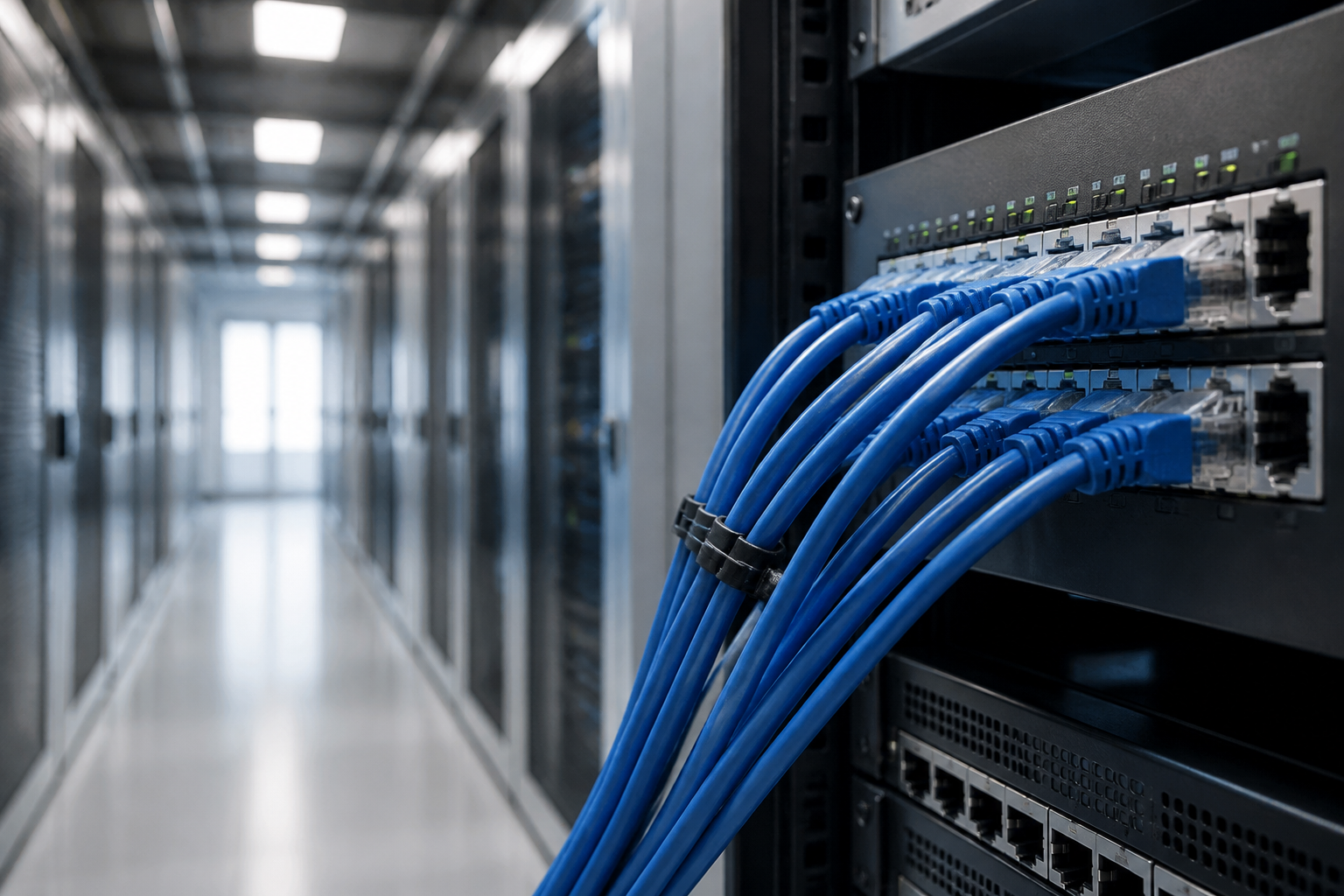
LSZH network patch leads Europe are Ethernet cables with a low-smoke, zero-halogen jacket, designed to reduce dense smoke and corrosive halogen gases if a fire occurs. They are especially suitable for enclosed, occupied or public environments such as offices, hospitals, transport facilities, schools, data centres and commercial buildings. The correct choice still depends on the network category, connector type, installation environment and applicable European fire and cabling requirements.
What are LSZH network patch leads?
LSZH stands for Low Smoke Zero Halogen. An LSZH network patch lead is a short, factory-terminated copper Ethernet cable whose outer sheath is formulated to produce limited smoke and no intentionally added halogen compounds under specified fire conditions.
Traditional PVC cable jackets can release dense smoke and acidic halogen-containing gases when they burn. LSZH materials are used where reducing smoke obscuration, corrosive emissions and toxic combustion products is an important part of the building or equipment safety strategy. They do not make a cable fireproof, nor do they eliminate all fire risk. Their benefit is related to the behaviour of the cable jacket and insulation during a fire.
Most patch leads have modular plugs, commonly referred to as RJ45 connectors, although the exact plug design and performance depend on the cable category. Typical options include Cat5e, Cat6 and Cat6A, with shielded and unshielded constructions available.
Why use LSZH network patch leads in Europe?
The main reason to specify LSZH network patch leads Europe is to support safer cable installations in locations where people, sensitive equipment or restricted evacuation routes make smoke and corrosive gases a concern.
- Reduced smoke: LSZH jackets are designed to limit smoke generation compared with many conventional PVC formulations.
- Reduced corrosive emissions: Halogen-free materials help limit acidic gases that can damage electronic equipment and metal infrastructure during combustion.
- Suitability for enclosed spaces: They are often preferred in risers, ceiling voids, raised floors, tunnels and other areas where smoke can travel or become concentrated.
- Compatibility with safety specifications: Many European projects include low-smoke or halogen-free requirements in their cabling schedules, particularly for public, commercial and critical facilities.
- Professional and environmental expectations: Building owners and consultants may request halogen-free materials as part of a broader safety, resilience or sustainability specification.
These advantages should be considered alongside electrical performance. An LSZH label alone does not confirm a cable category, shielding level, fire classification, transmission performance or suitability for a particular installation.
Where should you use LSZH network patch leads?
Offices and commercial buildings
Modern offices contain large numbers of patch leads in cabinets, floor boxes and communications rooms. LSZH leads can be a sensible choice where cabling is installed above ceilings, below raised floors or near occupied workspaces. They are also useful when a project specification requires low-smoke, halogen-free components throughout the structured cabling system.
Data centres and server rooms
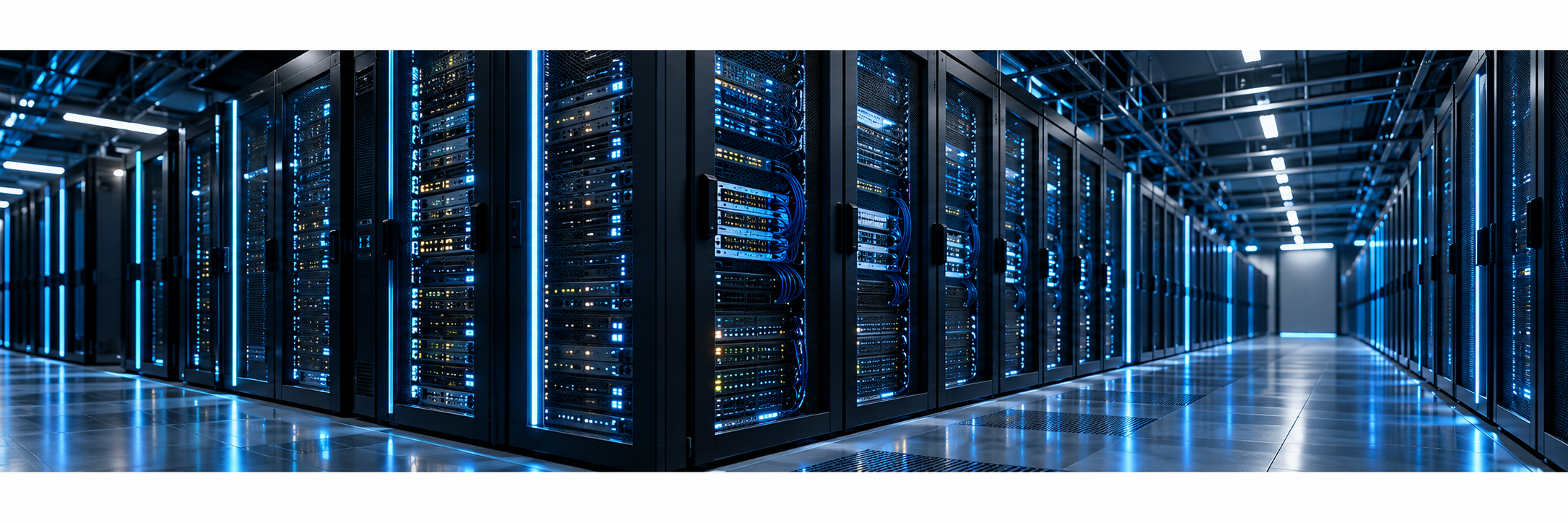
Data centres contain concentrated quantities of power and data cabling. LSZH patch leads can help reduce the potential for corrosive combustion products around switches, servers, storage systems and other high-value equipment. Choose leads with suitable bend performance, connector retention and airflow characteristics, and keep cable management disciplined to avoid obstructing ventilation.
Hospitals, schools and public buildings
Hospitals, schools, airports, railway facilities and public venues may have high occupancy, vulnerable users or complex evacuation arrangements. In these environments, cable material choices should be coordinated with the building fire strategy and the requirements set by the project designer, fire consultant or authority having jurisdiction.
Industrial and infrastructure environments
Factories, utilities, control rooms and transport infrastructure may benefit from LSZH construction where cables run through enclosed technical spaces or close to control electronics. However, industrial installations can also require resistance to oil, chemicals, ultraviolet exposure, vibration or extreme temperatures. A standard indoor LSZH patch lead may not satisfy those needs without an appropriate environmental rating.
LSZH, PVC and CPR: what is the difference?
These terms describe different aspects of cable selection and should not be treated as interchangeable.
| Term | What it describes | What to check |
|---|---|---|
| LSZH | The smoke and halogen behaviour of the cable materials. | Manufacturer data, halogen-free declaration and relevant test information. |
| PVC | A common thermoplastic jacket and insulation material. | Fire, smoke, flexibility and environmental performance for the application. |
| CPR | The European framework for the reaction to fire of construction products, where applicable. | Declared performance, product scope, classification and documentation. |
| Cat5e, Cat6 or Cat6A | The transmission category and performance class of balanced copper cabling. | Frequency, channel requirements, insertion loss, crosstalk and connector compatibility. |
A cable can be LSZH without automatically having the CPR classification needed for every fixed-installation project. Conversely, a project may require a particular CPR class in addition to low-smoke and halogen-free construction. Ask the supplier for the relevant Declaration of Performance or test documentation when the product falls within the applicable construction-product requirements.
Patch leads used as equipment cords may be treated differently from permanently installed horizontal or backbone cables. The applicable requirements depend on the product, intended use and national or project rules. Always confirm the specification with the designer or compliance manager rather than assuming that one label covers the complete cabling system.
How to choose LSZH network patch leads Europe
1. Select the required Ethernet category
Cat5e is commonly used for standard Gigabit Ethernet applications. Cat6 provides greater performance margin and is widely specified for business networks. Cat6A is designed for higher-performance applications, including 10 Gigabit Ethernet over appropriate permanent links and channels. The patch lead should match the required channel design, connector performance and installation category.
Do not upgrade only the patch lead and assume the whole link has become Cat6A. The permanent cable, outlets, patch panels, connectors, installation method and test results all affect end-to-end performance.
2. Decide between unshielded and shielded construction
Unshielded twisted-pair leads are suitable for many office and commercial networks. Shielded leads can help control electromagnetic interference in industrial areas, near motors or in dense equipment environments, but only when the complete channel uses compatible shielded components and has an appropriate bonding and earthing design.
A shielded patch lead connected to an otherwise unshielded channel does not automatically provide a fully shielded system. Confirm whether you need U/UTP, F/UTP, U/FTP, S/FTP or another construction, and check connector and patch-panel compatibility.
3. Choose the correct length
Use a lead long enough to route neatly without pulling on the connector, but avoid excessive spare cable inside a cabinet. Short, organised connections improve identification and airflow. Common lengths range from very short cabinet links to several metres for workstation connections, but the best length is determined by the rack layout and service position.
4. Check jacket colour and identification
Colour coding can separate network services, security systems, voice, wireless access points or different security zones. Select a consistent colour plan and use printed labels or cable markers. Colour is an identification aid, not proof of LSZH construction or performance category.
5. Confirm connector and boot quality
Look for secure plug latches, strain-relief boots and contacts suitable for the intended conductor type. Slim boots can help high-density switches, while snagless designs may reduce accidental latch damage during maintenance. For PoE installations, verify that the lead is suitable for the intended power level and conductor size, especially where longer lengths or higher temperatures are involved.
6. Review documentation and traceability
A reputable supplier should identify the cable category, conductor construction, shielding, jacket material, length tolerance and applicable compliance information. For regulated or safety-sensitive projects, request batch traceability, test reports and fire-performance documents where relevant.
Installation and maintenance best practices
- Respect the bend radius: Avoid tight bends, sharp cabinet edges and crushed cable bundles. Follow the manufacturer’s minimum bend-radius guidance.
- Protect the latch: Route leads so plugs are not under tension and can be removed without force.
- Separate power and data: Follow the applicable separation rules and project design, particularly around higher-power circuits and sources of interference.
- Do not overfill pathways: Excessive bundling can restrict airflow and increase temperature, which may affect performance and PoE operation.
- Test after installation: Use suitable certification or qualification equipment for the required category and record the results.
- Replace damaged leads: Cuts, flattened sections, broken latches and loose boots can cause intermittent faults even when a basic link light remains active.
LSZH material can be less forgiving of extreme heat, chemicals or mechanical abuse than a specialist industrial jacket. If a lead is installed outdoors, in a wet area or in a harsh industrial zone, select a product specifically rated for that environment.
Common mistakes to avoid
- Assuming LSZH means fire-rated: LSZH describes material behaviour; it is not a universal fire-resistance rating.
- Choosing by price alone: Low-cost leads may have inconsistent dimensions, poor contacts or inadequate certification data.
- Mixing incompatible shielded components: Shielding works as a system and requires suitable continuity and bonding.
- Using a thin, flexible lead for every purpose: Slim leads are convenient but may have different insertion-loss, PoE, durability or bend specifications.
- Ignoring the fixed-link design: A high-category patch lead cannot compensate for unsuitable permanent cable or poor termination.
- Failing to check local project rules: European countries and individual projects can apply different documentation, installation and fire-safety requirements.
Are LSZH network patch leads worth using?
For many European commercial, public and critical installations, LSZH network patch leads are a practical way to align patching components with a low-smoke, halogen-free cabling policy. They are particularly worthwhile where cable quantities are high, evacuation routes are constrained or sensitive electronic equipment is concentrated.
They are not automatically the best choice for every location. Outdoor runs, industrial machinery, wet areas and installations exposed to ultraviolet light may require specialised jackets and connectors. The right decision balances fire behaviour, network performance, mechanical durability, environmental exposure, compliance and total project cost.
Key takeaway: Specify LSZH as one part of a complete cabling requirement. Then confirm category, shielding, PoE capability, environmental rating and any applicable European fire documentation before purchase.
Frequently asked questions
What does LSZH mean on a network patch lead?
LSZH means Low Smoke Zero Halogen. It indicates that the cable uses materials intended to produce limited smoke and no halogen-based corrosive gases under specified fire-test conditions. It does not mean the cable is fireproof.
Are LSZH patch leads required everywhere in Europe?
No. Requirements depend on the country, building type, installation method, project specification and applicable regulations. Many projects prefer or require them in public, occupied or critical facilities, but the exact obligation should be confirmed locally.
Are LSZH and CPR-rated cables the same?
No. LSZH describes material and smoke or halogen behaviour, while CPR relates to the reaction-to-fire classification of construction products where applicable. A project may require both characteristics and supporting documentation.
Can I use LSZH patch leads for Power over Ethernet?
Usually, a suitable LSZH patch lead can be used for PoE, but check its conductor size, temperature rating, category and manufacturer’s PoE guidance. Cable bundling and ambient temperature can affect safe operation.
Should I choose Cat6 or Cat6A LSZH patch leads?
Choose the category required by the network design. Cat6 is suitable for many business networks, while Cat6A may be appropriate for higher-performance links and 10 Gigabit Ethernet channel designs. The complete channel must support the selected category.
Can LSZH patch leads be used outdoors?
Only if the specific product is rated for outdoor exposure. Standard indoor LSZH leads may not withstand water, ultraviolet radiation, temperature changes or mechanical stress. Check the manufacturer’s environmental specifications before outdoor use.
{“@context”:”https://schema.org”,”@type”:”FAQPage”,”mainEntity”:[{“@type”:”Question”,”name”:”What does LSZH mean on a network patch lead?”,”acceptedAnswer”:{“@type”:”Answer”,”text”:”LSZH means Low Smoke Zero Halogen. It indicates that the cable uses materials intended to produce limited smoke and no halogen-based corrosive gases under specified fire-test conditions. It does not mean the cable is fireproof.”}},{“@type”:”Question”,”name”:”Are LSZH patch leads required everywhere in Europe?”,”acceptedAnswer”:{“@type”:”Answer”,”text”:”No. Requirements depend on the country, building type, installation method, project specification and applicable regulations. Many projects prefer or require them in public, occupied or critical facilities, but the exact obligation should be confirmed locally.”}},{“@type”:”Question”,”name”:”Are LSZH and CPR-rated cables the same?”,”acceptedAnswer”:{“@type”:”Answer”,”text”:”No. LSZH describes material and smoke or halogen behaviour, while CPR relates to the reaction-to-fire classification of construction products where applicable. A project may require both characteristics and supporting documentation.”}},{“@type”:”Question”,”name”:”Can I use LSZH patch leads for Power over Ethernet?”,”acceptedAnswer”:{“@type”:”Answer”,”text”:”Usually, a suitable LSZH patch lead can be used for PoE, but check its conductor size, temperature rating, category and manufacturer’s PoE guidance. Cable bundling and ambient temperature can affect safe operation.”}},{“@type”:”Question”,”name”:”Should I choose Cat6 or Cat6A LSZH patch leads?”,”acceptedAnswer”:{“@type”:”Answer”,”text”:”Choose the category required by the network design. Cat6 is suitable for many business networks, while Cat6A may be appropriate for higher-performance links and 10 Gigabit Ethernet channel designs. The complete channel must support the selected category.”}},{“@type”:”Question”,”name”:”Can LSZH patch leads be used outdoors?”,”acceptedAnswer”:{“@type”:”Answer”,”text”:”Only if the specific product is rated for outdoor exposure. Standard indoor LSZH leads may not withstand water, ultraviolet radiation, temperature changes or mechanical stress. Check the manufacturer’s environmental specifications before outdoor use.”}}]}
One thought on “What Are LSZH Network Patch Leads and When Should You Use Them in Europe?”
Comments are closed.